
General Health
Pretium sociis tortor lacinia in porttitor diam scelerisque ut scelerisque. Placerat tellus id pharetra nisl tellus dignissim.
Sleep and Cognitive Function
It has been long known that exercise is beneficial in helping us sleep. It is also well known how important sleep is for our wellbeing. There is evidence to suggest that people with Autism show a continuation of the maladaptive sleep patterns that were developed in childhood. This is common in individuals living with other disabilities as well as the general population. As a result, this can be a contributor to compromised cognitive function which may include but is not limited to social-emotional functioning and attentiveness. Exercise has been demonstrated to be a fantastic means of regulating this.

Balance
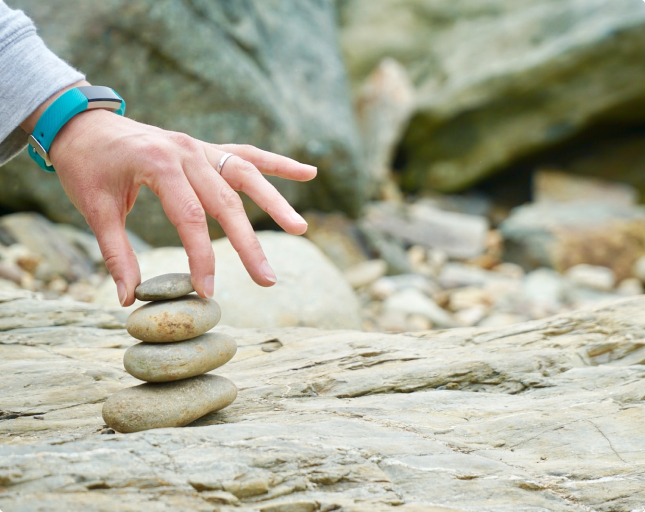
Poor balance is very common amongst those living with disability. If balance is a challenge you can get fatigued quicker than your friends which can be really frustrating in everyday life. From a sporting perspective, balance is important for injury prevention, change of direction, and stop-start movements. Improving this will definitely help you get the competitive edge over your opposition! With correct programming, exercise can be a great way to improve balance and coordination which will lead you to achieving your health and fitness goals.
There are many ways that we can improve your balance. However the way we approach this is dependant on what needs improving and what your goals are. Typically the key components we address include:
- Single leg strength
- Core strength
- Proprioception
Blood Sugar
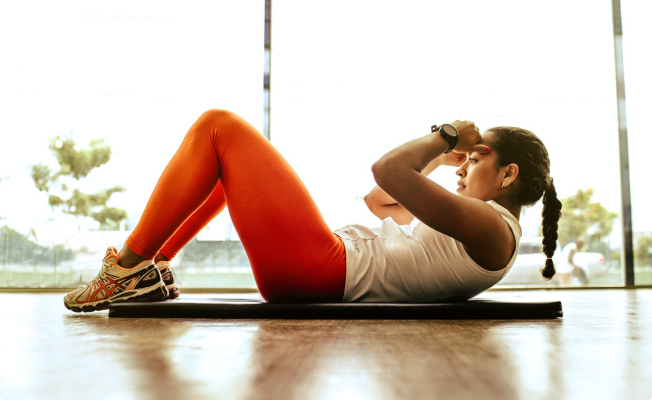
Exercise is imperative in the prevention and control of insulin resistance, prediabetes, type 2 diabetes and diabetes-related health complications. Both aerobic training (cardio) and resistance training (weight training) improve insulin action and assist with the management of blood glucose levels, lipids, blood pressure and ultimately quality of life. To be most effective, exercise should be undertaken regularly and combine resistance training with aerobic training.
How can puzzles help?
The most important thing is that exercise is enjoyable. After all, the best exercise is the exercise that gets done.
What to expect in session
Initial session:
- Perform a general health and fitness screening
- Gain an understanding of your goals, expectations and any barriers to exercise you may have (injuries, training time, travel, etc).
- Complete fitness testing so we can track your progress
- Create a plan based on these goals and expectations to make sure we achieve them
Follow up sessions:
- Continue to track your progress
- Keep up to date with how your body is responding to the program and make any changes necessary.